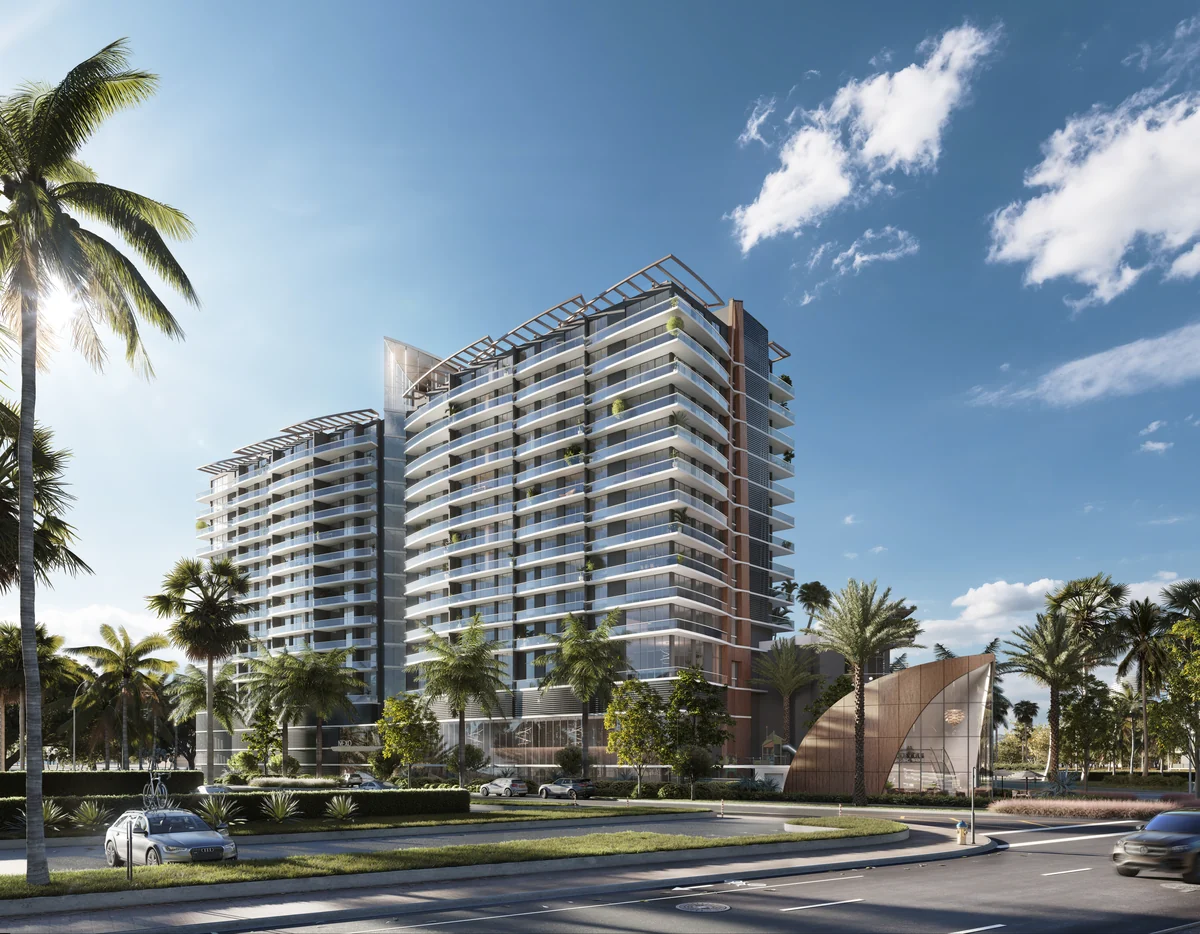
EB-5 allows eligible investors and their families to apply for U.S. permanent residence through a qualifying business investment. A residential development can be the project behind that investment.
$1,050,000 · $800,000 in a TEA or infrastructure project
Jobs
10 full-time positions for U.S. workers
Family
Spouse and unmarried children under 21
Next change
Amounts adjust on 1 January 2027
01
What the opportunity means for you
Start with the life you are planning. EB-5 offers an investment route to apply for permanent residence; the project, your capital and your family’s circumstances form one decision.
Build your plans around permanent residence
A Green Card allows its holder to live permanently in the United States and work in jobs for which they qualify, subject to the rules and responsibilities of permanent residence.
Consider the opportunity for your family
The investor, their spouse and unmarried children under 21 may apply through the EB-5 route. A child’s age and the timing of the case need individual review.
Choose an investment you understand
Study the development, the use of your capital and the rights set out in the offering documents. Your investment must meet EB-5 requirements, and your immigration application is reviewed individually.
How does a residential development support an EB-5 investment?
A development can use investment capital to carry out its business plan. Construction and related economic activity can support the employment required by EB-5. The investment documents and job-creation analysis must explain how this works for the particular offering.
An EB-5 investment must support at least 10 qualifying full-time jobs for U.S. workers. The project’s employment evidence is part of the immigration case.
Buying a home for personal use does not itself qualify for EB-5. An investment in a development business and the purchase of a particular apartment create different rights.
How many jobs must an EB-5 investment create?
The investment into a new commercial enterprise must create full-time positions for not fewer than 10 qualifying employees. USCIS defines full-time employment as a position that requires a minimum of 35 working hours per week. The project’s business plan and employment analysis should show how those positions are counted; ask which analysis supports your own petition.
Discuss who would be included, where each family member lives now and the dates that matter to you. If a child is approaching 21, make the age rules an early topic for your immigration attorney.
Bring your plans for work, education and relocation into that discussion. The order and timing of applications depend on eligibility, visa availability and your circumstances; an investment commitment does not set a move-in date.
Who can be included in an EB-5 application?
The investor, a spouse and unmarried children under 21 may apply through the EB-5 route, with family members applying as derivatives of the principal applicant. A child’s age is assessed under rules that depend on the timing of the case, so if a child is approaching 21 raise that with your immigration attorney early rather than assuming an outcome.
What does an EB-5 investment cost, and what is extra?
$1,050,000 is the standard minimum EB-5 investment under the rules reviewed on 19 September 2026.
The $800,000 minimum applies to qualifying targeted employment area or infrastructure projects. It is a different project category, not a discount available on every investment.
Investment capital
The applicable program threshold is the starting point. Confirm the amount required by the specific offering and the category it qualifies under.
Fees and professional services
Ask for a written breakdown of project charges, legal work and government filings, including later immigration stages and each family member.
Housing and relocation
Plan any home purchase, rent and relocation separately from the investment. These depend on where and how you want to live.
What is the minimum EB-5 investment?
For petitions filed on or after 15 March 2022, USCIS states a standard minimum investment of $1,050,000, and $800,000 where the investment is in a qualifying targeted employment area or an infrastructure project. The lower amount is a project category, not a discount available on request. The statute provides for these amounts to adjust automatically on 1 January 2027 and every five years after that.
Why do other sources say $500,000 or $1.8 million?
Those figures belong to earlier periods. $500,000 and $1,000,000 applied to petitions filed before 15 March 2022. $900,000 and $1.8 million came from a 2019 rule that a federal court vacated on 22 June 2021. A government overview page may still display the vacated figures. Use the Policy Manual amounts for a petition filed now.
What is a targeted employment area?
A targeted employment area is a rural area or an area designated as having high unemployment. USCIS defines a rural area as one outside a metropolitan statistical area and outside the outer boundary of any city or town with a population of 20,000 or more. For petitions filed on or after 15 March 2022, a high unemployment area is one designated by the Secretary of Homeland Security.
What are the rural and high-unemployment set-asides?
Of the EB-5 visas made available each fiscal year, the statute reserves 20 percent for investors in a rural area, 10 percent for investors in a designated high unemployment area and 2 percent for infrastructure projects. Reserved visas that are not issued by the end of the succeeding fiscal year become available to investors in the unreserved category.
What does EB-5 cost in total?
The programme threshold covers investment capital only. Project charges, immigration legal fees, government filing fees for you and for each family member, housing and relocation are additional. USCIS publishes its filing fees in a separate fee schedule and fee calculator rather than on its EB-5 pages, and those amounts change; confirm the current figures when you file.
EB-5 capital must be at risk: there must be a possibility of loss as well as a chance of gain. Treat it as an investment, not a guaranteed deposit.
The investor must document how the money was lawfully obtained and how it reached the investment. The evidence follows the funds, including gifts or loans where applicable.
USCIS provides for an adjustment to the investment amounts on 1 January 2027. Check the amounts that apply when you proceed.
The documents to request
Current offering and subscription documents; the business plan and employment analysis; the parties and their roles; a complete fee schedule; and the provisions governing investment risk and repayment.
What does it mean that EB-5 capital must be at risk?
USCIS requires the investor to actually place capital at risk: there must be a risk of loss and a chance for gain. An arrangement that guarantees the return of your capital, or gives you redemption on demand, can defeat that requirement. Read the provisions on losses, redemption and repayment in the offering documents before you commit.
How long must the investment be sustained?
For petitions filed on or after 15 March 2022, the statute requires capital that is expected to remain invested for not less than two years. When that period begins, and how it relates to the separate question of when jobs must be created, depends on your facts. Ask your immigration attorney to apply the current USCIS guidance to your petition.
Is the regional center provision authorised?
The regional center provision is currently authorised through 30 September 2027. A separate statutory protection applies to qualifying regional-center petitions filed on or before 30 September 2026: if the authorising legislation expires, covered petitions must continue to be processed and cannot be denied because of that expiration, and visa allocation to their approved beneficiaries cannot be suspended or terminated on that basis. This protection does not guarantee approval or repayment. Ask your immigration attorney how these dates apply to your case, and verify the regional center’s current designation before committing.